Roof Rat Control in Phoenix
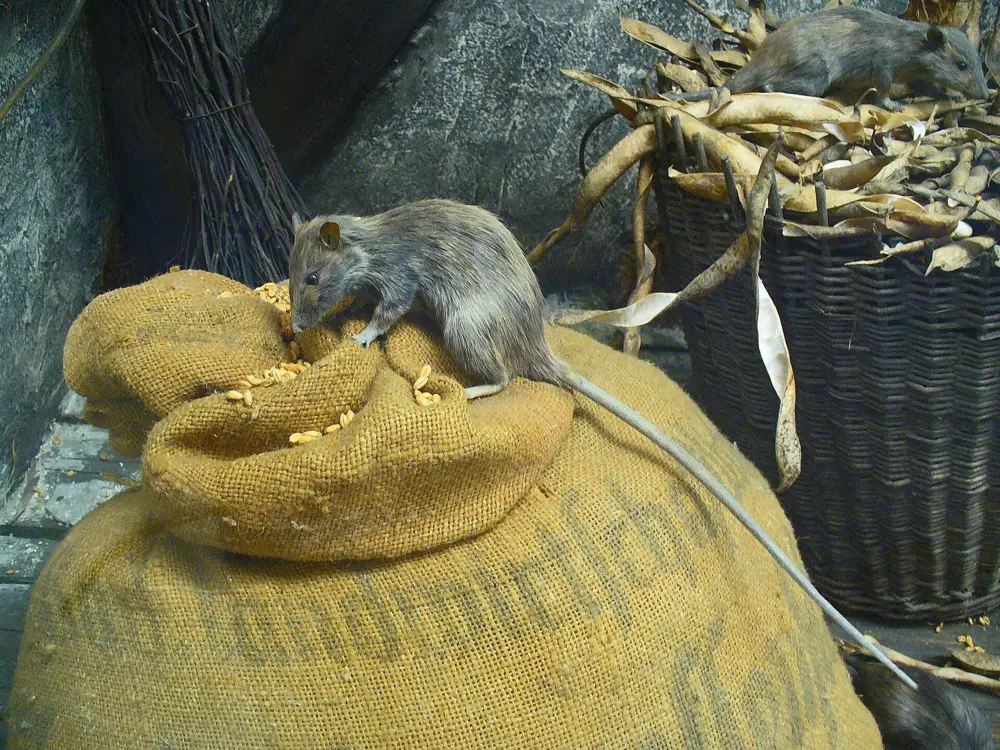
Roof rats are the reason most of central and east Phoenix calls this number. They're slim, dark and quick, and the tail is longer than the body. They don't live in the ground. They live up high, in palm crowns, thick hedges, attics and the rafters of the garage.
In Phoenix the first clue is usually the fruit. You go out to the orange tree and there's an orange hanging there, hollowed out to a clean shell. University of Arizona Extension describes exactly that habit. A week later you're hearing something run across the ceiling around midnight. Our season-by-season citrus guide explains why the fruit matters so much.
How you know it's roof rats and not mice
Mice stay low and leave tiny droppings in kitchen drawers. Roof rats leave bigger signs, and most of them are over your head or up in the trees. If two or three of these sound familiar, it's rats. Found a stick pile low in the yard instead? Different animal, and pack rat removal is the page you want. Still not sure? Our roof rat or pack rat guide compares tails, nests and droppings.
- Oranges or grapefruit hollowed out while still on the tree
- Scratching or running in the ceiling at night
- Dark, spindle-shaped droppings in the attic or garage
- Rats running the block wall tops or power lines at dusk
- Greasy rub marks along eaves, beams or pipes
- Chewed wiring, irrigation lines or stored boxes
- The dog or cat staring at the ceiling or the back wall
What the tech checks on a tile roof
The tech usually starts outside. They'll walk the block wall, look up into the palms and citrus, and check where branches touch the roof. Then the roofline itself: the open ends under the first row of tile, roof and gable vents, and any spot where pipes or solar mounts cross over. On a lot of Valley homes that bottom row of tile is the front door.
Then the attic or garage. They're looking for droppings, rub marks, chewed wire and trails through the insulation. Phoenix attics cook in summer, so a lot of companies book attic checks first thing in the morning. Expect snap traps in the attic and along travel routes, locked tamper-resistant bait stations outside if they make sense for your yard, and a couple of follow-up visits to check traps.
Sealing is the part that keeps the whole thing from starting over. Ask about closing the tile eave gaps and vents while trapping is still going. If the insulation's a mess, attic droppings cleanup usually comes last, once the rats are gone.
Citrus, palms and the back wall
The stuff that makes a Phoenix backyard nice is the same stuff rats want. Mature citrus feeds them from late fall into spring. A fan palm with an untrimmed skirt is a dry nest twenty feet off the ground. Oleander and bougainvillea on the back wall hide them from owls, and the wall itself is a sidewalk between yards. That's why calls stack up in Arcadia, where the Valley outbreak started, on the big irrigated lots of North Central and along the alleys near Encanto and Willo.
You can start before anybody shows up. Pick the ripe fruit and clear whatever dropped. Bring in the dog food and bird seed before dark, get boxes up off the garage floor, and jot down where and when you hear the noise so you can tell the tech. The citrus yard rat control page covers the outdoor side in more depth.
One hard rule: don't throw loose poison around the yard. Kids, dogs, cats, owls and hawks can all get hurt. Bait belongs in locked, tamper-resistant stations that the technician places and checks. Inside the house, most companies stick to snap traps set where kids and pets can't reach them. Mention kids and pets on the call so they can plan for it.
Questions We Get
How are they getting into my tile roof?
Usually at the eaves, where the bottom row of tile leaves an open gap, or through a roof vent or a gap around a pipe. Those spots get sealed with metal, not foam.
How long until they're gone?
Depends on how many rats there are and how many gaps the house has. Most jobs are a first visit plus follow-up checks over a few weeks. The tech can give you a better idea once they've seen the attic.
Why does one roof rat job cost more than another?
Mostly the size of the roofline, how long they've been there, how many gaps need sealing and whether tile has to be lifted. Attic cleanup adds to it. The company quotes it after they look.
Will the rats come back after they're trapped?
They will if the gaps stay open. The rats in the neighbor's grapefruit tree will find the same hole. That's why trapping and sealing go together.
Serving Arcadia, Ahwatukee Foothills, North Central & Sunnyslope, Encanto & Willo, Maryvale, Paradise Valley Village & Desert Ridge, Scottsdale, Tempe, Glendale, Mesa.