Roof Rat or Pack Rat? How to Tell Them Apart in Phoenix
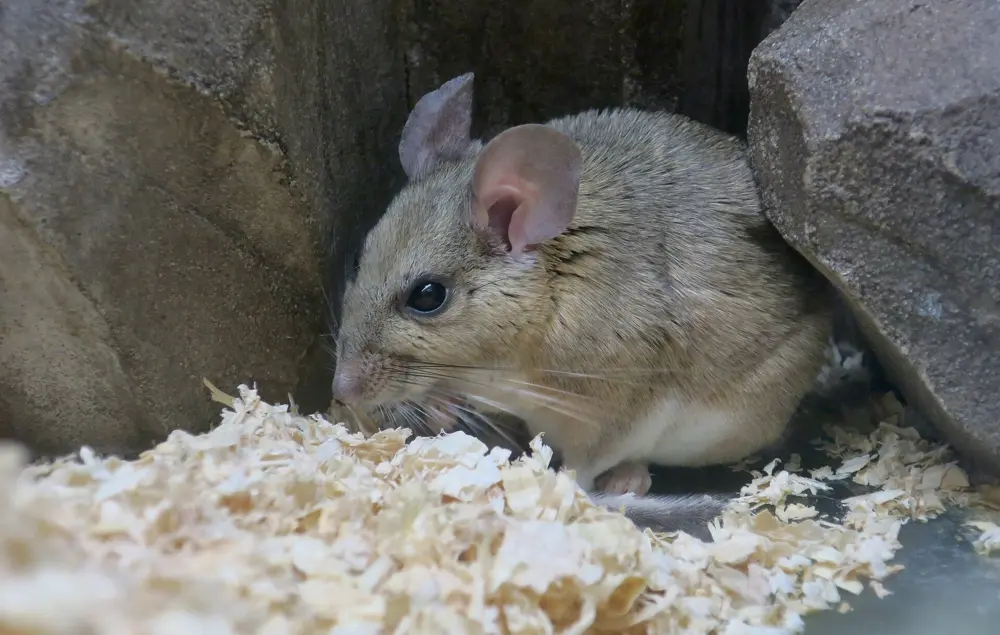
People in the Valley say "rat" for two very different animals. Roof rats are an introduced species that climbs and nests up high. Pack rats are native desert woodrats that build big nests low to the ground. Look at the tail, look at the nest, and most of the time you'll know. If the noise is over your head, it's almost always a roof rat.
It matters because the jobs are different. A roof rat job is about the roof and the attic. A pack rat job is about the yard.
Tail, ears and the nest
Maricopa County Vector Control gives the simplest test. A roof rat's tail is longer than its body and scaly. A pack rat's is shorter. Pack rats also have softer fur, bigger ears and a lighter belly, and they look a bit like an oversized mouse. Roof rats are sleek and dark, usually brown to black.
Then look at the nest. University of Arizona Extension lists attics, soffits, overhead garage storage, dense evergreen trees and palm crowns as roof rat nest spots, and you rarely see the nest at all. You see the rat on the wall at dusk or hear it overhead. Pack rats build a midden, a big pile of sticks, cactus joints, leaves and odd stuff, under a shed, inside a prickly pear, behind the AC unit or in a stack of lumber. And it keeps growing.
What the droppings and damage tell you
Roof rat droppings are dark and spindle-shaped, about half an inch long with pointed ends, and they turn up in the attic, on garage shelves and on the patio along the block wall. Pack rat droppings tend to be bigger and rounder, and they pile up in and around the midden. Hollow citrus, chewed irrigation lines up high and rub marks along the eaves say roof rat. Chewed wires in a parked car, missing small objects and gnawed cactus say pack rat. Tiny rice-sized droppings in a kitchen drawer are neither. That's mice, and mouse control is the page for that.
- Hollow citrus on the tree: roof rat
- Noise in the attic or ceiling: almost always roof rat
- Stick and cactus pile under the shed: pack rat
- Chewed wires in a car parked near the desert: often pack rat
- A rat running the block wall top: roof rat
Which side of the Valley you're on
Roof rats are mostly a city rat here. Older neighborhoods with citrus, palms and hedges see them most: Arcadia, North Central, the Encanto area, Tempe, south Scottsdale and older parts of Mesa and Glendale. Pack rats live where houses meet the desert: Ahwatukee along South Mountain, Sunnyslope near the Phoenix Mountains Preserve, Desert Ridge, the north Scottsdale desert lots below the McDowells and the edges of the Usery Mountains. A desert-edge house with citrus in the yard can have both, and plenty of homes in north Phoenix and Desert Ridge turn out to.
For roof rats, the work is trapping, sealing tile eave gaps and vents, and trimming trees off the house. See roof rat control. For pack rats, it's trapping near the nest, clearing the midden safely and getting rid of clutter, covered under pack rat removal. Either way, cleanup needs care: wet droppings and nest material with disinfectant, wear gloves and don't sweep or vacuum them dry. If roof rats were in the attic, ask about cleanup for soiled insulation. Keep kids and pets away from a midden until it's cleared.
Still stumped? Snap a photo of the droppings next to a coin, or of the nest, and describe it on the call. The tech will figure out the rest on site, but it helps everybody show up ready for the right job.
Questions We Get
Can I have both at the same time?
Yes, especially near the desert if the yard also has citrus or palms.
Are pack rats protected?
Wildlife rules can change. Ask the company that comes out about any rules for native rodents where you live.